


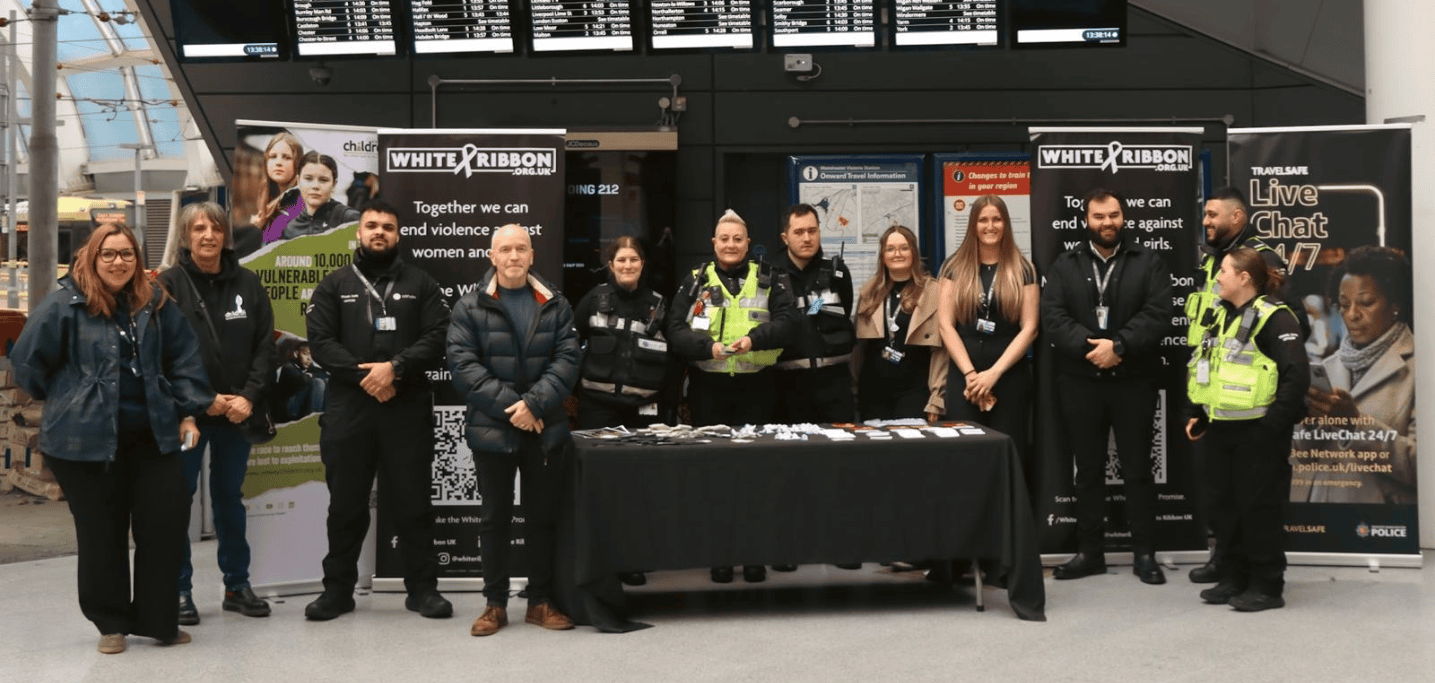
October marks Domestic Abuse Awareness Month, an important opportunity to shine a light on such an important topic, encourage conversations and highlight the support available to those who may need it.
While awareness months provide an important focal point, our commitment continues all year round. Throughout the year, we share practical information, from how to make a silent 999 call to resources such as the Bright Sky app and Clare’s Law, helping people recognise concerns and understand where they can turn for support.
We have also introduced Domestic Abuse Support Advocates across our business, creating an additional pathway to support for our people and reinforcing the message that no one should have to navigate domestic abuse alone.
But it is our people who truly bring this commitment to life.
Isaac, one of our Mental Health First Aiders and Domestic Abuse Support Advocates, is a great example. Working on the frontline within the Northern TSO operation, his commitment extends beyond supporting colleagues to helping members of the public and creating safer spaces across the railway.
Through his work around violence against women and girls, White Ribbon and collaboration with colleagues and partners, Isaac continues to champion the difference that awareness, education and compassionate intervention can make.
We spoke to Isaac about what inspired him to get involved, why these conversations matter and the role we can all play in helping people feel safer and supported.
What first inspired you to get involved in raising awareness of domestic abuse and supporting charities working in this area?
Working in the Northern TSO operation, we are in a unique position because we spend so much time on the frontline, interacting with passengers and responding to a wide range of incidents and vulnerabilities.
That experience made me realise that our role can be about much more than security and enforcement. We can also play a part in prevention, education and making people feel safer on the railway.
My involvement with White Ribbon and our wider work around violence against women and girls (VAWG) has grown from there on. I wanted to help create conversations around issues that aren’t always easy to discuss, while also supporting organisations that are already doing important work in this area and showcasing TSOs as capable guardians who can be looked upon during times of need when on the network as a passenger.
You’ve worked with different parts of the Group to bring people together around this issue. Why do you think collaboration and raising awareness in the workplace are so important?
Collaboration is an incredibly significant factor. Within the TSO operation, we’re working alongside our colleagues in other regions, social stakeholders and partners, and everyone brings a different perspective and facilities.
Our work around VAWG has shown what can be achieved when we take a joined-up approach rather than treating these issues in isolation. The workplace is also a really important place to have these conversations because awareness doesn’t just benefit the people we interact with on the railway; it also helps our own colleagues recognise behaviours, understand vulnerability and know how to respond appropriately through the chain of command.
The work we’ve undertaken, including our involvement in the University of Cambridge study, has also demonstrated the value of combining frontline experience with research and evidence. At selected stations on the Northern network, the intervention contributed to a 66% reduction in reported VAWG incidents, which is a really encouraging indication of what targeted, evidence-led approaches can achieve.
Can you tell us a little about the Manchester Victoria roadshow and what you’re hoping it will achieve for colleagues and members of the public?
The Manchester Victoria roadshow is another opportunity to take the conversation directly to the railway environment where our teams work every day.
We’re bringing awareness and supporting information into a busy public space and giving colleagues, passengers and members of the public an opportunity to engage with the subject in an informal way.
For me, the important thing is making these conversations visible. Domestic abuse and VAWG can often happen behind closed doors or go unnoticed, so creating an environment where people can access information, ask questions and understand where support is available is really valuable.
I also want passengers and colleagues to see that the role we play as Travel Safe Officers can extend beyond responding to incidents. Through prevention, engagement and education, we can help contribute to creating a safer and more inclusive railway.
Domestic abuse isn’t always visible. What do you think we can all do to better recognise the signs and support someone who may be experiencing it?
I think the biggest thing we can do is educate ourselves, one another and be willing to look beyond face value.
Domestic abuse isn’t always physical. It can involve coercive or controlling behaviour, intimidation, isolation, financial abuse or changes in someone’s confidence and behaviour. Within a railway environment, we may only have a brief interaction with someone, but that interaction can still be significant.
As frontline staff, we should approach people with empathy, remain observant and avoid making assumptions. If something doesn’t feel right, knowing how to have an appropriate conversation and where to signpost someone for support can be incredibly important.
We don’t have to be experts or have all the answers. Sometimes listening, showing that you care and helping someone connect with the right support is enough to make a difference.
What would you like someone reading this to take away from the work you’re doing and the message you’re trying to raise awareness of?
I’d like people to recognise that creating a safer railway isn’t just about responding when something has happened. It’s also about prevention, awareness and creating an environment where people feel safe and supported.
The work we’ve been doing around White Ribbon, VAWG and the University of Cambridge study demonstrates the impact that frontline teams can have when we combine awareness, engagement and evidence-based approaches.
The 66% reduction in VAWG reports at the selected stations involved in the study is something the whole operation can be proud of, but I think the bigger message is what sits behind that figure. It shows that the way we engage with people can make a genuine difference.
Whether you’re a colleague, a passenger or simply someone who sees something that doesn’t seem right, we all have a role to play. Sometimes creating change starts with something as simple as recognising a behaviour, starting a conversation or making someone aware that support is available.