


To support the communities we operate in, we need to understand and manage our impact on nature. It’s an essential way to protect biodiversity, which encompasses life on earth in all its forms, from animals and plants to fungi and microorganisms.
Biodiversity is under threat. WWF’s 2024 Living Planet Report found an average 73 per cent decline in global populations of mammals, fish, birds, reptiles, and amphibians since 1970.
Businesses like ours play a critical role in preserving the natural infrastructure around us. In 2025, we developed our first Biodiversity and Nature Strategy, focused on restoring and protecting the natural environment and supporting our wider net-zero ambitions.
How businesses can measure impact
Healthy ecosystems have a clear business case. They support the communities we serve, enhance employee wellbeing and strengthen the sustainability of our operations. In 2025, we carried out a Biodiversity Risk and Opportunities Assessment using the WWF Biodiversity Risk Filter methodology. Assessments like these help businesses identify areas of potential nature-related risk and opportunity across estates and review the impact of existing initiatives.
Our key recommendations included creating more nature-positive spaces, improving ecosystem resilience, strengthening connections between employees, communities and the natural environment, and enhancing data management and reporting.
We also measure our wider ESG work through independent accrediting bodies, including the Science Based Targets Initiative and the Sustainable Facilities Management Index. We received a Platinum Award in December from the latter, which included commendation on enhancing our ecology and biodiversity approach.
Our biodiversity engagement
We’re implementing initiatives that deliver measurable biodiversity benefits throughout Churchill Group. In 2025, colleagues contributed 611 hours of volunteering to environmental initiatives, including beach cleans, litter-picking events, conservation work and the creation and improvement of green spaces.
In our day-to-day operations, we’ve transitioned one of our main consumables lines to CleanWorks ProEco floor pads made from 100 per cent post-consumer recycled PET, equivalent to recycling 292,000 plastic bottles. We’ve also launched ProEco compostable cleaning cloths made from viscose fibre across our national operations, eliminating 250g of plastic waste per pack. Together, these changes reduce plastic entering the waste stream and lower the risk of environmental contamination.
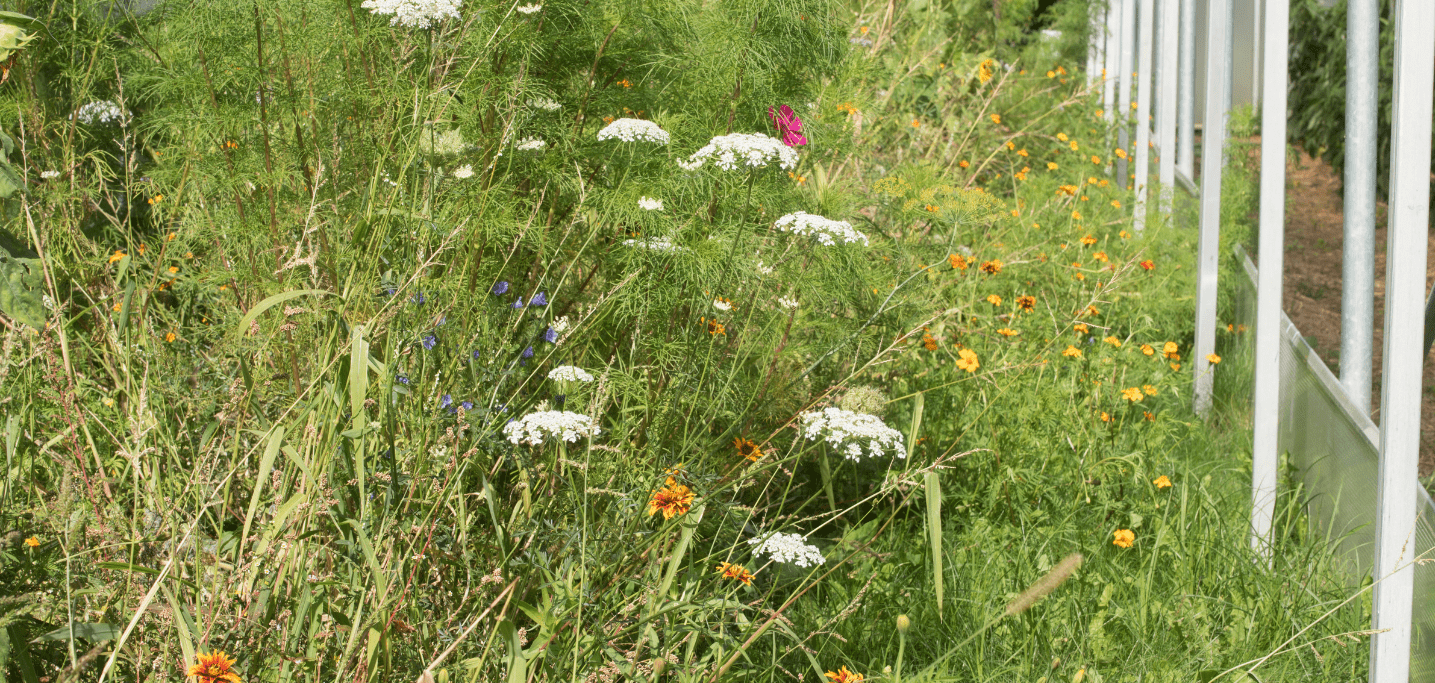
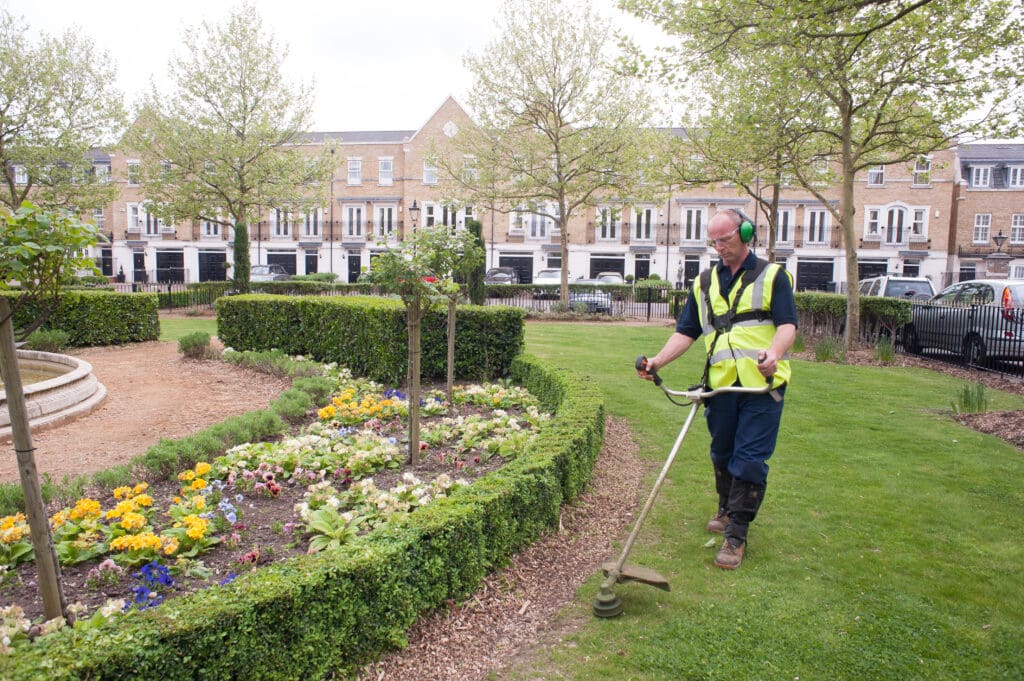
Through our specialist grounds maintenance division, Chequers, we deliver biodiversity improvements across customer sites, including bug hotels, hedgehog houses, bird and bat boxes, wildflower meadows and pollinator-friendly planting areas. The team also partnered with Essex County Council to support the local turtle dove population.
Case study: Supporting biodiversity at Meadowhall
Through our long-standing partnership with Meadowhall in Sheffield, we play an active role in restoring and maintaining the River Don, which runs along the northern edge of the site. The space acts as a valuable ecological corridor for wildlife and a welcoming space for the local community.
Our trained team carries out river clean-ups twice a year, removing rubbish, plastic waste, fallen branches and other debris to keep the waterway clear and wildlife-friendly. We manage invasive species along the banks, treating them twice annually to prevent overgrowth, and undertake annual weir risk assessments, completing repairs where required. This year, we completed a full tree survey and essential tree works to prevent unsafe branches from entering the river during periods of heavy rain. Our team is also on standby during adverse weather events to clear debris and maintain safe access to riverside paths.
These efforts have contributed to a healthier waterway and the return of salmon, otters, swans, kingfishers and herons.
Our 2026 strategy
Our Biodiversity and Nature Strategy acts as a guiding framework through to 2030 with clear objectives for protecting, enhancing and embedding nature across our operations.
The strategy is built on five action pillars:
- Nature positive operations: Embedding nature-positivity across our operations, within our estate, and through client and community partnerships.
- Supply chain impact: Engaging vendors to reduce harm and support ecosystem restoration.
- Low-impact products: Prioritising sustainable, non-toxic, and responsibly sourced materials.
- Education and awareness: Empowering employees and stakeholders to act for nature through training and campaigns.
- Metrics, monitoring and reporting: Establishing year-on-year performance targets and transparent ESG reporting.
We have assessed biodiversity risks across the organisation, identifying varying levels of exposure related to water scarcity, urban biodiversity decline, and reputational sensitivity. In 2026, we’ll expand our focus beyond our direct operations to work more closely with our supply chain partners, mapping biodiversity risks and integrating nature-positive criteria into our procurement standards.
As an employee-owned company, we want to create spaces where our colleagues, communities, and local wildlife can flourish together. Our new framework turns this ambition into measurable action, ensuring that our commitment to the natural world is embedded in everything we do.
Learn more about our environmental, sustainable and governance initiatives in our 2024 environmental report.